
Quick answer: Screen fatigue is the tired, dry, strained feeling many people get after long hours on laptops and phones. Everyday habits help most: the 20-20-20 rule, blinking, better lighting and real screen breaks. If you want a weekend fully away from screens, Lifed lists a 2-day Ayurvedic eye and rest program in Kollam, with traditional Netra eye-care practices, oil bodywork and a sunrise boat ride on Munroe Island, from ₹28,500.
If your day moves from laptop to phone to meeting to phone, your eyes rarely get a break. By evening they feel dry or heavy, your shoulders are up near your ears, and a weekend scrolling on the sofa does not really help.
This guide covers what you can do every day, and what a deliberate screen-free weekend can look like.
What is screen fatigue?
Screen fatigue, often called digital eye strain, is the group of symptoms many people notice after long periods of screen use. The American Academy of Ophthalmology lists tired or dry eyes, blurred vision and headaches as common, and notes that focusing on a screen can cut how often you blink by a third to a half, which dries the eyes.
It is usually temporary and eases with rest. But it is a sign that your days have very little visual variety.
When to see an eye doctor
Screen fatigue is common, but it should not be assumed. See an eye doctor or optometrist if you have:
- blurred or double vision that does not clear with rest
- eye pain, redness or discharge
- headaches that keep coming back
- any sudden change in your vision
You may simply need an updated prescription for glasses. No wellbeing program, including the one below, is a substitute for an eye examination.
Everyday habits that help
| Habit | How to do it |
| The 20-20-20 rule | Every 20 minutes, look at something about 20 feet (6 metres) away for 20 seconds |
| Blink on purpose | Screens reduce blinking. A few slow, full blinks during breaks help keep eyes comfortable |
| Screen distance | Keep your laptop about an arm's length away, with the top of the screen at or slightly below eye level |
| Lighting | Reduce glare. Avoid a bright window directly behind your screen or behind you |
| Real breaks | Step away from all screens, not from laptop to phone |
| Outdoor light | Time outside gives your eyes long distances to look at, which screens never do |
None of these need special equipment. The hardest part is remembering to do them.
Why a weekend away can help
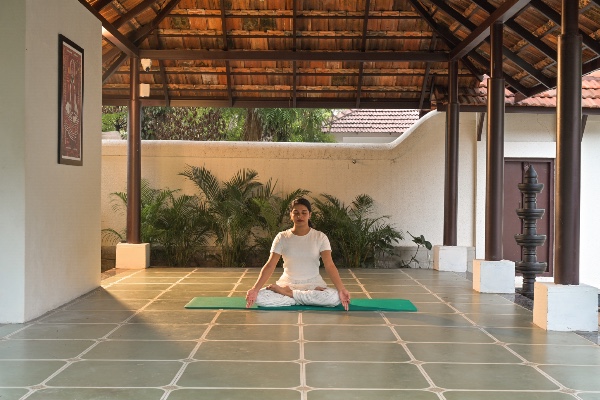
Habits work best when they are repeated, but sometimes the pattern is too strong to break from your own desk. A short, structured stay away from screens gives you two things a normal weekend does not: hours without any digital input, and someone else making all the decisions about the day.
That is the idea behind the 2-day Ayurvedic eye and rest program in Kollam.
Inside the 2-day program in Kollam
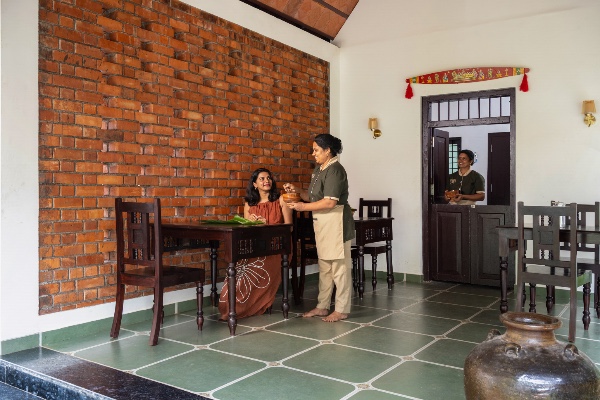
The program was co-created by Lifed with Aswanimadom, an Ayurvedic centre in Kollam, away from city noise. It begins with an individual consultation, and the eye-care practices are selected and supervised by Dr Aswathy Krishna, an Ayurvedic physician who focuses on eye and ENT care.
A day can include:
| Time | Session |
| 05:00 | Munroe Island sunrise boat journey (about 3 hours) |
| 08:30 | Breakfast and rest |
| 10:00 | Head and face massage |
| 10:30 | Traditional Netra eye-care practices: Pratimarsha Nasya, Anjanam, Netra Kizhi, Netra Sekam and Netra Abhyangam |
| 12:30 | Ayurvedic vegetarian lunch |
| 14:00 | Abhyangam (full-body oil massage) with herbal steam |
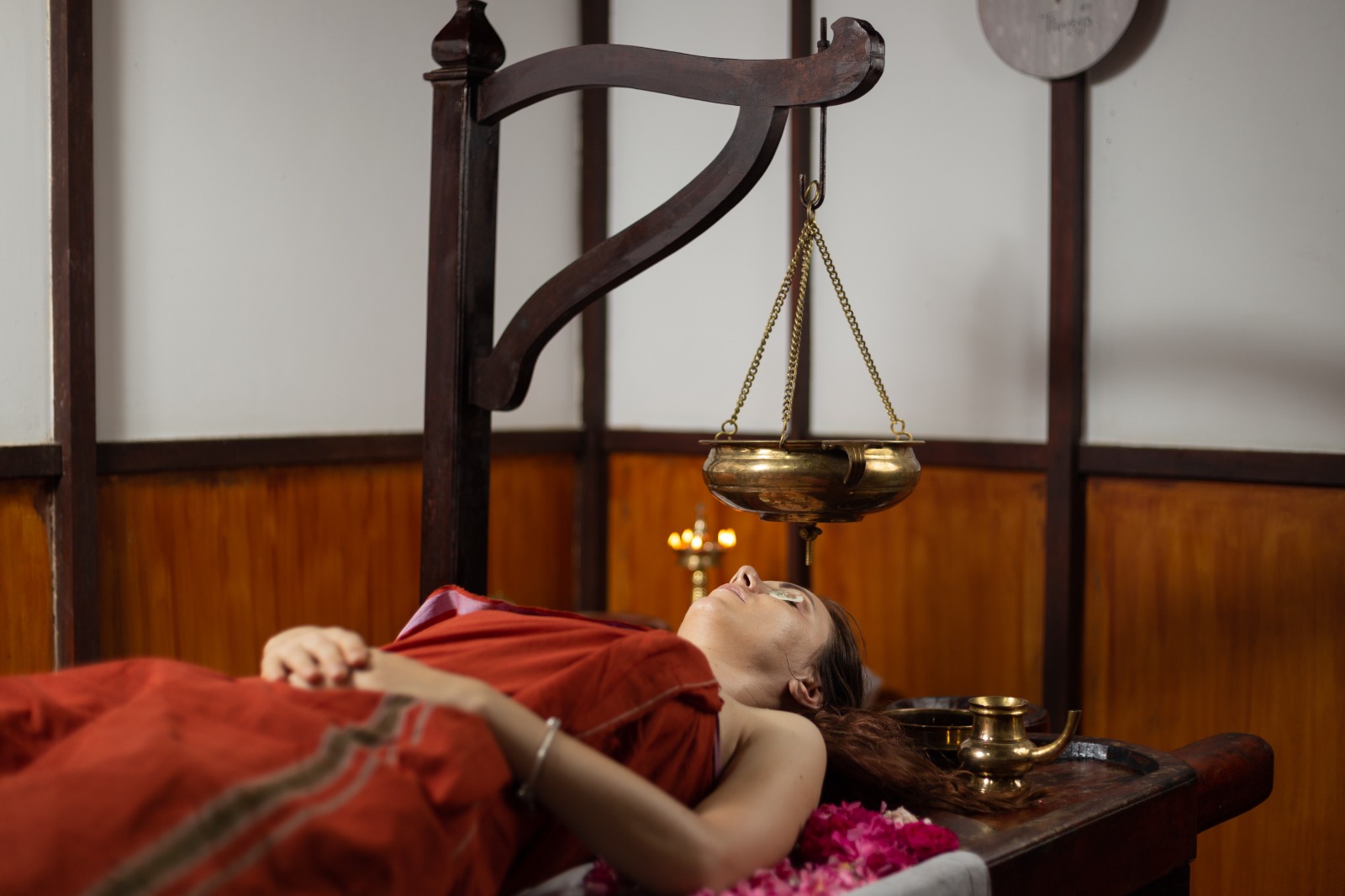
| 15:30 | Sirodhara (warm oil poured gently over the forehead) |
| 16:30 | Supervised rest |
| 17:15 | Padhabhyangam (foot massage) |
| 18:00 | Closing with a traditional Kerala art form |
| 19:00 | Dinner and closing consultation |
The exact sequence is decided after your consultation.
A note on tradition. Netra practices, Sirodhara and Abhyangam come from classical Ayurveda and are described here as traditional practices. Many people find oil bodywork deeply relaxing, but we do not claim that any of them change your eyesight.
Munroe Island at sunrise
Munroe Island is a cluster of small islands where the Kallada river meets Ashtamudi Lake, near Kollam. The sunrise boat journey moves slowly through narrow canals lined with coconut palms and village homes. For three hours there are no screens and nothing to do except look at water, light and distance.
For tired eyes, that might be the most useful part of the weekend.
Who it suits
- People with screen-heavy jobs who cannot take a long retreat
- Couples wanting a quiet weekend together. The suite sleeps two
- Anyone curious about Ayurveda who wants a short first experience before committing to 7 or 14 days
It is not designed for anyone with an eye condition that needs medical care. Tell the team about any eye surgery, contact lenses or ongoing eye problems before you book.
The program on Lifed
2-Day Ayurvedic Eye and Stress Reset in Kollam
- Where: Kollam, Kerala, with a Munroe Island sunrise journey
- Length: 2 days, start any day
- Price: from ₹28,500 (₹23,500 program plus ₹5,000 suite room)
- Group: up to 4, all fitness levels
- Includes: consultations, scheduled Ayurvedic sessions, Ayurvedic meals, guided meditation, the Munroe Island sunrise journey, accommodation and post-program support
- Host: Aswanimadom, a Lifed verified Healthmate
- Cancellation: full refund when cancelled 30 or more days before the start date
See dates and book the Kollam weekend
New to Ayurveda? Read Ayurveda in Kerala: what a first-time visitor should actually expect.
Frequently asked questions
What is screen fatigue?
Screen fatigue, or digital eye strain, is the tired, dry or strained feeling in your eyes after long periods on screens. It often comes with headaches or neck and shoulder tension, and usually eases with rest.
What is the 20-20-20 rule?
Every 20 minutes, look at something about 20 feet away for 20 seconds. It is a simple way to give your eyes regular breaks from close focus.
Can Ayurveda fix my eyesight?
No. The Netra practices in this program are traditional Ayurvedic eye-care practices offered as a period of rest and care. They are not a replacement for glasses or an eye examination.
What is Netra Tarpana?
Netra Tarpana is a well-known Ayurvedic practice in which warm medicated ghee is held over the eyes. This program uses a related set of Netra practices chosen after your consultation.
How long is the Kollam program?
Two days, and it can start any day. It includes a 3-hour sunrise boat journey through Munroe Island.
How much does it cost?
From ₹28,500, which includes the program, a suite room, meals and all scheduled sessions.
Is this a good first Ayurveda experience?
Yes, for many people. It is short, structured and led by an Ayurvedic physician, so you can see how you feel before choosing a longer stay.
Comments (0)
Be the first to respond. Comments are read by the LIFED team.