
Quick answer: A digital detox retreat is a stay or program designed to give you real time away from screens. Research suggests that simply abstaining from social media for a while does not, on its own, reliably improve wellbeing. What seems to matter more is what fills the time instead: rest, movement, nature and people. Look for a program with screen-free time built into the daily structure, not just a "no Wi-Fi" sign.
If your working day happens on screens and your evenings do too, the idea of switching everything off for a week is appealing. "Digital detox retreat" searches have grown for a reason. But not every screen-free break is the same, and the honest picture from research is more interesting than "put your phone in a box and you will feel better."
What the research says about stepping away from screens
A 2025 meta-analysis in Scientific Reports pooled 10 studies with 4,674 participants who took a break from social media. It found no significant overall effect on positive mood, negative mood or life satisfaction, and the length of the break made no significant difference. The authors concluded that temporarily stepping away from social media "may not be the most optimal approach to enhance individual well-being" on its own (Lemahieu et al., 2025).
That does not mean screens do not matter. It suggests that removing something is only half the design. The other half is what you put in its place.
This is why we think about screen-free time differently at Lifed. A good program does not just take your phone away. It fills the day with things that are hard to do on a screen: moving your body, being outdoors, eating slowly, resting properly, being with other people.
Signs you might want a screen-free reset
- You reach for your phone in every pause, even when you do not want to.
- Your eyes, neck and shoulders feel tired by mid-afternoon.
- You find it hard to switch off in the evening.
- Weekends disappear into scrolling and catching up.
- You cannot remember the last day you spent mostly outdoors.
These are everyday signs of a screen-heavy life, not a diagnosis. If you are struggling with your mood, sleep or anxiety, please speak to a doctor or mental-health professional. A program can sit alongside that support, never replace it.
What to look for in a digital detox retreat
| Look for | Why it matters |
|---|---|
| Screen-free time written into the daily schedule | A rule on paper is easier to keep when the day is designed around it |
| Plenty to do with your body | Movement, bodywork and walking fill the time phones usually take |
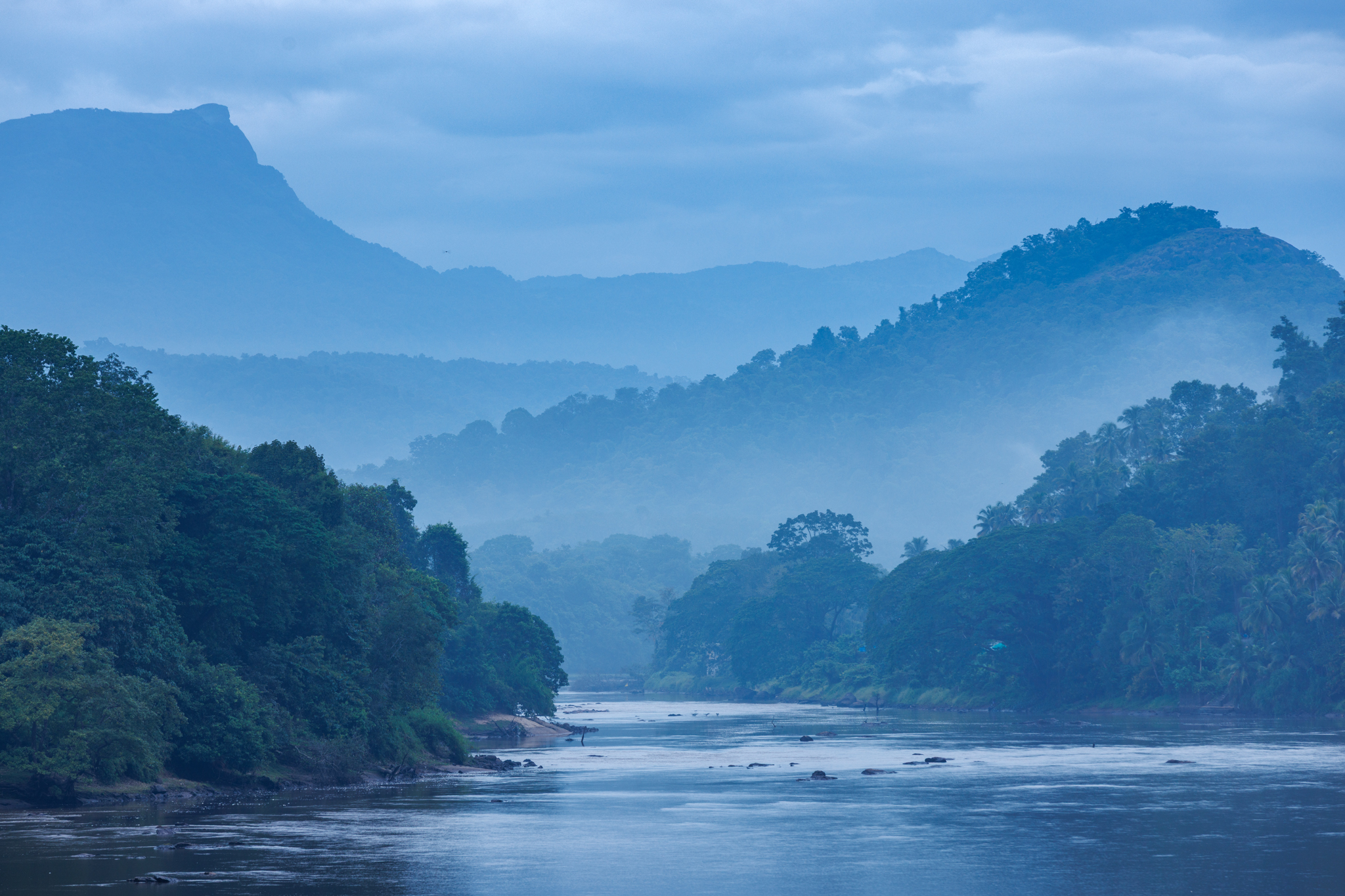
| A natural setting | Forest, river or garden settings make it easier to stay outdoors |
| A realistic phone policy | Total bans suit some people; set check-in times suit others, especially parents and carers |
| Small groups | Easier to talk to people when there are not too many of them |
| A plan for after | Small practices you can carry home matter more than one dramatic week |
| Honest language | Be wary of promises to "rewire your brain" or cure anything |
How long should a screen-free break be?
| Length | AUTO |
|---|---|
| A few hours | A taste: one long session of bodywork or meditation without your phone |
| A weekend (2 days) | Enough to notice how often you reach for the phone |
| 5 to 7 days | Enough to settle into a different daily rhythm |
| 2 to 3 weeks | Space for longer reflection and new routines |
Most people do not need the longest option. They need a length they can actually take, followed by changes small enough to keep.
Screen-free resets you can book on Lifed
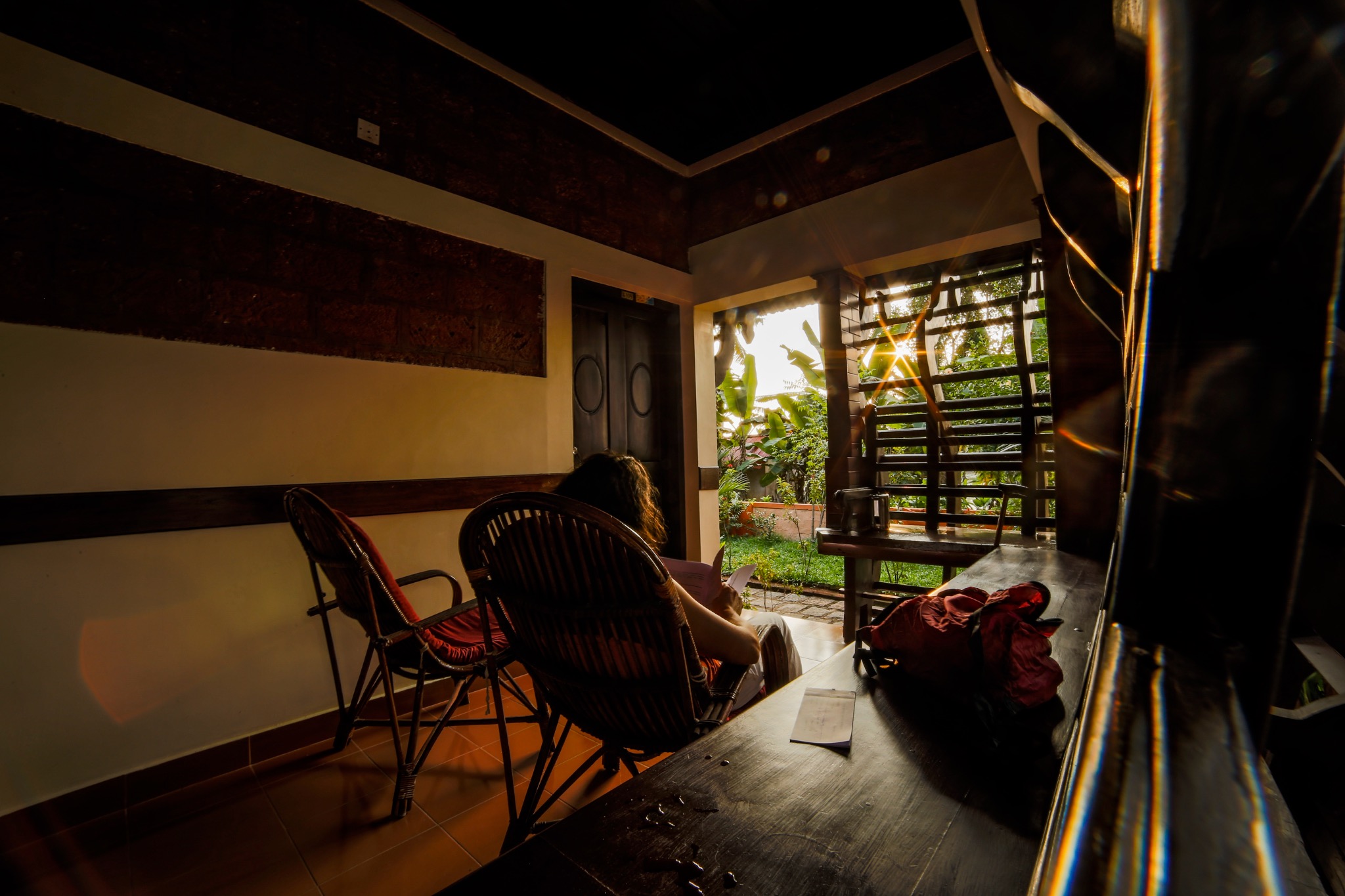
7-day Ayurvedic reset in Wayanad, hosted by Vaigayi at a riverside Ayurveda and yoga villa on the Kabani river. Designed for people whose working lives happen on screens. Each day includes quiet sitting by the river, yoga, pranayama, daily Ayurvedic consultations, Kalari-style Uzhichil bodywork, herbal pouch therapy, eye and sense-organ care, and a 90-minute device-free rest period. Residential, 7 days, from ₹62,900.
2-day Ayurvedic eye and screen-fatigue reset in Kollam, hosted by Aswanimadom. A short residential break for people in demanding, screen-heavy roles, with Ayurvedic therapies, specialist eye-care treatments, meditation and a sunrise boat journey on Munroe Island. From ₹28,500.
Forest living residency near Auroville, Puducherry, hosted at Art Forest. Days start at 6 am with breathwork and movement, then karma yoga, arts and crafts, sound baths and evening music or journaling, in rooms built from natural materials. 7, 14 or 21 days, from ₹16,000 for 7 days, with groups of up to 14.
3-day women's birdwatching, Ayurveda and yoga program near Thattekkad, hosted by Munkudil Ayurveda and Yoga Retreat on the Kuttampuzha river. A women-only option about 43 km from Cochin airport, where each day starts with a guided birdwatching walk and includes a two-hour protected rest period in the afternoon. 3 days, 2 nights, from ₹53,500.
3-session meditation and sound reset in Fort Kochi, hosted by Lifed HabitHub. For people who think, decide and respond all day and rarely get to stop. Three 60-minute sessions, no meditation experience needed. ₹10,999.
7-day Kalari and yoga program in Wayanad, hosted by Kadathanadan Kalari Foundation. Daily Kalaripayattu and yoga, traditional archery and heritage and nature excursions among coffee plantations. Residential, 7 days, ₹70,250.
Prices shown on lifedhealth.com on 6 October 2026.
Why Kerala works for a screen-free break
Kerala's hill districts, such as Wayanad, offer forest, rivers and plantations within a day's travel of Bangalore, Kochi and Kozhikode. Its Ayurvedic tradition also gives a ready-made daily structure: early mornings, set meal times, bodywork and rest. That structure is exactly what makes time away from screens easier to keep.
For people in Kochi or Thrissur, a day program can be enough: a few hours of bodywork, movement or meditation with your phone switched off, then home.
How to start a digital detox at home
You do not need a retreat to begin. These small changes are easy to try:
- Pick one screen-free hour a day. The first hour after waking or the last before sleep works for many people.
- Move the charger out of the bedroom.
- Replace, do not just remove. Decide in advance what you will do instead: a walk, stretching, cooking, a call with a friend.
- Turn off non-essential notifications. Keep calls and messages from the people who matter.
- Plan one outdoor half-day each week.
- Put movement in your calendar. A weekly class or series is easier to keep than good intentions.
A program helps when doing this alone has not stuck. The structure, the setting and the people do part of the work for you.
Frequently asked questions
What is a digital detox retreat?
A stay or program designed to give you real time away from screens, usually with screen-free periods built into the day and activities such as yoga, bodywork, walking and meditation.
Does a digital detox actually work?
A 2025 meta-analysis found that simply taking a break from social media did not, on average, significantly change mood or life satisfaction. Programs that replace screen time with rest, movement, nature and people may be more useful, though no program can guarantee a result.
Where can I do a digital detox retreat in India?
On Lifed, you can book screen-free resets in Wayanad, Kollam and near Thattekkad in Kerala, near Auroville in Puducherry, and day programs in Fort Kochi.
How long should a digital detox be?
A weekend is enough to notice your habits. Five to seven days lets you settle into a different rhythm. The most important part is what you keep doing afterwards.
Can I keep my phone for emergencies?
That depends on the program. Many build in device-free periods rather than banning phones completely. Ask your host about their policy before you book.
Is a digital detox retreat a treatment for anxiety or addiction?
No. Programs on Lifed are non-clinical wellbeing experiences. If you are concerned about your mental health or your relationship with technology, please speak to a qualified professional.
Ready for time away from screens? Explore programs on Lifed.

Comments (0)
Be the first to respond. Comments are read by the LIFED team.